Cart
0

More Than the Hunt: The Tradition, Challenge & Experience of Archery Deer Hunting
There is something different about entering the woods with a bow in your hands.
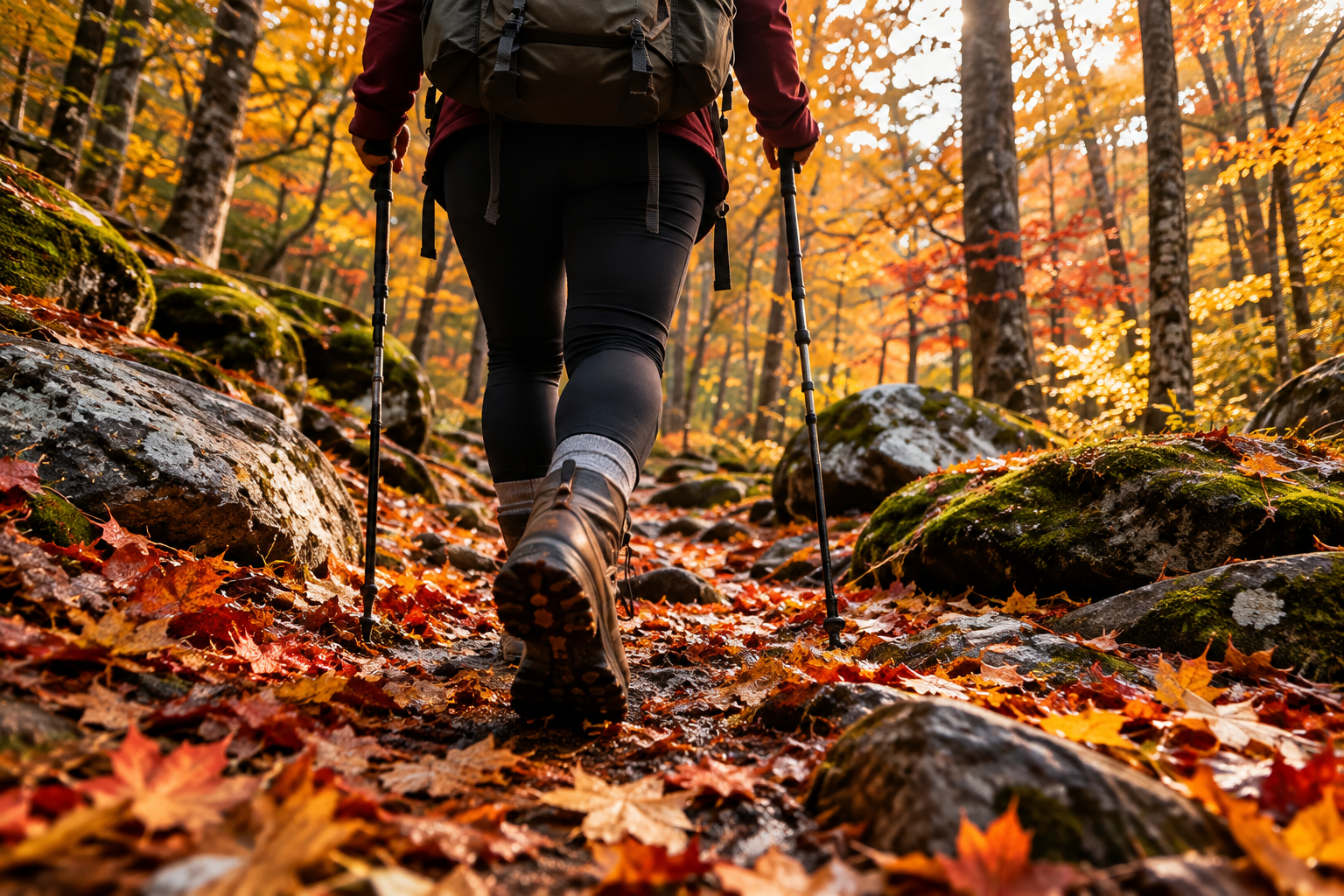
The world is still dark. The air is cool and crisp. Leaves crunch beneath your boots as you make your way toward your stand or hunting spot. Your equipment has been checked, your route has been planned, and you've spent countless hours practicing for a moment that may last only a few seconds.
Then you sit quietly and wait.
For many deer hunters, that waiting is where the real experience begins.
Archery deer hunting is about much more than harvesting a whitetail. It is about preparation, patience, skill, tradition, wildlife, conservation, and spending time in the outdoors. It is about learning to read the woods and becoming more aware of everything happening around you.
And for generations of hunters, it has become an important autumn tradition.
Whether you are a lifelong bowhunter, someone returning to the woods after years away, or simply curious about the traditions surrounding whitetail deer hunting, there is a lot to appreciate about the experience.
The Tradition of Deer Hunting
Deer hunting has deep roots in North American history.
Long before modern compound bows, trail cameras, insulated hunting clothing, and portable tree stands, people relied on knowledge of the land, patience, observation, and traditional hunting equipment.
Archery itself is an ancient practice. Bows have been used by people around the world for thousands of years, both for hunting and survival.
Modern bowhunting may look very different from those early traditions, but one thing remains remarkably similar:
The hunter has to get close.
That challenge is part of what makes archery deer hunting so compelling.
Modern technology can certainly help hunters prepare, scout, practice, and stay comfortable, but technology does not eliminate the fundamental skills required to successfully hunt with a bow.
You still have to understand the terrain.
You still have to pay attention to wind direction.
You still have to move carefully.
You still have to remain patient.
And when the opportunity finally arrives, you have to make a responsible decision.
That combination of skill and patience is a big part of why bowhunting continues to be passed from one generation to the next.
Why Archery Deer Hunting Is Different
There are many ways to enjoy the outdoors during deer season, but archery creates a particularly personal challenge.
A bowhunter generally has to be within relatively close range of a deer to make an ethical shot. That means understanding the animal and its surroundings becomes extremely important.
You learn to notice things you might otherwise overlook.
A slight breeze.
A broken branch.
Fresh tracks.
A rub on a tree.
A scrape beneath an overhanging limb.
The direction deer are traveling.
The way the terrain funnels movement.
Even the smallest details can become part of the larger picture.
This is one of the great things about hunting with a bow: it encourages you to slow down.
In a world where nearly everything moves quickly, sitting quietly in the woods for several hours can be surprisingly rewarding.
You begin noticing birds.
Squirrels.
Turkeys.
Rabbits.
Songbirds.
Changing leaves.
Clouds moving across the sky.
The sounds of the forest waking up around you.
And sometimes, the biggest memory of the day has nothing to do with taking a deer.
The Challenge of Bowhunting
Archery deer hunting requires preparation.
A successful hunt begins long before opening morning.
That preparation can include scouting your hunting area, practicing with your bow, checking equipment, studying deer behavior, planning entry and exit routes, preparing clothing, checking weather conditions, and becoming familiar with applicable hunting regulations.
But preparation isn't just about equipment.
It is also about developing confidence in your abilities.
Practice Matters
Archery is a skill that improves with consistent practice.
Hunters should become thoroughly familiar with their equipment and develop the ability to shoot accurately and consistently under realistic conditions.
Practice should include more than simply shooting arrows at a target from one comfortable distance.
Hunters can work on:
- Consistent shooting form
- Proper anchor point
- Controlled breathing
- Accurate aiming
- Shooting from different realistic positions
- Judging distance
- Practicing from an elevated position when appropriate and safe
- Maintaining accuracy when conditions aren't perfect
Most importantly, hunters should understand their limitations.
Knowing when not to take a shot is just as important as knowing how to make one.
A responsible bowhunter should only attempt a shot when the conditions provide a reasonable opportunity for a clean, ethical harvest.
Patience Is Part of the Hunt
Perhaps no quality is more important to a bowhunter than patience.
You can spend weeks preparing for a hunt and then sit for hours without seeing a deer.
That's part of it.
Wild animals don't follow our schedules.
Sometimes the woods are quiet.
Sometimes the weather changes.
Sometimes deer move somewhere you didn't expect.
Sometimes the biggest buck you've been hoping to see never appears.
But that doesn't necessarily mean the day was unsuccessful.
One of the best things about hunting is learning to appreciate the experience even when everything doesn't go according to plan.
A sunrise through the trees can be worth remembering.
So can watching a family of turkeys pass through your hunting area.
Or seeing a fox moving quietly through the leaves.
Or simply sitting beneath a canopy of changing autumn colors while the forest wakes up around you.
The woods always have something to teach you.
Understanding Whitetail Deer
The more you understand whitetail deer, the more interesting deer hunting becomes.
Whitetails are highly adaptable animals capable of living in forests, agricultural areas, wetlands, brushy edges, suburban environments, and many other habitats.
They are constantly responding to their surroundings.
Food availability changes.
Weather changes.
Human activity changes.
Predator pressure changes.
Seasonal behavior changes.
The landscape itself changes.
For hunters, learning how these factors influence deer movement becomes part of the challenge.
This is where scouting becomes valuable.
Instead of simply walking into the woods and hoping to see a deer, hunters can spend time learning the property.
Look for:
- Tracks
- Rubs
- Scrapes
- Bedding areas
- Food sources
- Travel corridors
- Funnels
- Terrain features
- Water sources
- Signs of recent deer activity
The objective isn't to guarantee success.
It's to develop a better understanding of the environment you're entering.
And that knowledge makes you a more observant outdoorsman.
The Importance of Wind and Weather
Anyone who has spent time hunting whitetails quickly learns that weather matters.
Wind direction can influence how a hunter approaches a location and how effectively deer can detect human scent.
Temperature, rain, cold fronts, changing barometric conditions, and other weather factors can also affect the overall hunting experience and deer movement.
But weather should never be treated as an excuse to ignore safety.
A beautiful fall morning can become uncomfortable—or dangerous—if conditions change unexpectedly.
Before heading into the woods, check the forecast and prepare accordingly.
Pack appropriate layers.
Carry water.
Bring reliable lighting.
Know your route.
And have a plan for getting out if conditions deteriorate.
Being prepared is part of responsible hunting.
Deer Hunting Safety Comes First
No hunting tradition is more important than coming home safely.
Archery hunting eliminates some of the risks associated with firearms, but it is absolutely not risk-free.
One of the biggest concerns for many bowhunters is tree-stand safety.
Falls from elevated hunting positions can result in severe injuries. Hunters using elevated stands should carefully inspect equipment, follow manufacturer instructions, use an appropriate full-body fall-arrest system, and maintain three points of contact while climbing whenever possible.
Never assume that a stand is safe simply because you've used it before.
Inspect straps, platforms, cables, ladders, steps, and attachment points.
Also consider:
- Tell someone where you are hunting.
- Carry a fully charged phone or reliable communication device.
- Bring a flashlight or headlamp.
- Carry a basic first-aid kit.
- Know the property boundaries.
- Use a map or GPS device when appropriate.
- Dress for changing weather.
- Stay hydrated.
- Avoid taking unnecessary risks.
- Know the local hunting regulations before entering the field.
Hunting regulations can change from year to year and vary by state, wildlife-management zone, and property. Always consult the current regulations for the area you plan to hunt.
For example, Kentucky's current 2026-27 regulations establish specific deer seasons, zones, bag limits, equipment requirements, and reporting requirements, illustrating why checking the current regulations is essential before every season. Kentucky Department of Fish & Wildlife
Hunter Education Is Part of the Tradition
One of the best ways to preserve hunting traditions is to teach people how to participate responsibly.
Hunter education programs provide important information about wildlife, hunting ethics, regulations, equipment, safety, and responsible behavior in the field.
Experienced hunters also have an important role to play.
Passing down knowledge doesn't have to mean simply teaching someone how to harvest a deer.
It can mean teaching a new hunter:
- How to respect private property
- How to identify wildlife
- How to safely handle equipment
- How to navigate the woods
- How to prepare for changing weather
- How to follow hunting regulations
- How to respect other hunters
- How to recover and properly care for harvested game
- When not to take a shot
- Why conservation matters
Those lessons can stay with someone for a lifetime.
Respect for the Animal
Ethical hunting begins with respect for the animal.
A responsible hunter should strive to make a clean, humane harvest and should never take a shot simply because an opportunity presents itself.
That means understanding your equipment, knowing your effective range, recognizing appropriate shot opportunities, and being willing to pass when conditions aren't right.
It also means following through after the shot.
If a deer is wounded, the responsibility doesn't end when the arrow leaves the bow.
Hunters should make every reasonable effort to locate and recover the animal, following appropriate tracking practices and local regulations.
For many hunters, this is one of the most important aspects of the entire experience.
Respect doesn't end at the harvest.
Making the Most of the Harvest
For generations, hunting has also provided food.
Venison can be a valuable source of protein and is an important part of many hunting families' traditions.
Making use of the harvest reinforces an important principle:
If you choose to take an animal, respect it by making the most of what it provides.
Families have developed their own traditions around venison over the years.
Steaks.
Roasts.
Chili.
Burgers.
Jerky.
Sausage.
Stew.
And meals shared around a table can become part of the story of the hunt itself.
For many hunters, the memories don't end in the woods.
They continue around the kitchen table.
Deer Hunting and Conservation
Modern deer hunting is also connected to wildlife management and conservation.
State wildlife agencies use hunting regulations, seasons, permits, harvest limits, biological information, and other management tools to help manage deer populations and habitat.
In Kentucky, for example, the state's wildlife agency describes hunters as the primary managers of the state's deer herd and uses zones and bag limits as part of its deer-management strategy. Kentucky Department of Fish & Wildlife
Regulations aren't simply obstacles standing between hunters and the woods.
They are part of a broader system designed to manage wildlife populations and provide sustainable hunting opportunities.
That makes knowing the rules an important part of being a responsible hunter.
Before every season, check the current regulations for:
- Season dates
- Legal equipment
- Bag limits
- Antler restrictions
- Hunting zones
- Public-land rules
- Hunter-orange requirements
- Tagging and reporting requirements
- Special regulations
- Chronic wasting disease requirements where applicable
Regulations can change, so don't rely on what was legal last season.
The Tradition of Deer Camp
Ask enough hunters about their favorite memories and you'll eventually hear stories that have little to do with the actual harvest.
They'll tell you about deer camp.
The early morning coffee.
The old truck.
The woodstove.
The muddy boots by the door.
The same chair everyone fights over.
The meals.
The jokes.
The stories that somehow get better every year.
The veteran hunter explaining how things used to be.
The young hunter experiencing their first season.
The friend who tells the same story every single year.
These traditions are part of what makes hunting special.
Deer season creates a reason for people to gather.
And sometimes those relationships become the most valuable part of the experience.
Passing the Tradition to the Next Generation
Perhaps the greatest part of any outdoor tradition is passing it along.
A child doesn't necessarily need to harvest a deer to have a successful first hunting experience.
Sometimes the goal is simply getting outside.
Teaching them how to identify trees.
Showing them tracks.
Listening for birds.
Watching the sunrise.
Learning how to safely handle equipment.
Teaching them to respect wildlife.
Teaching them that nature isn't something to be consumed—it is something to be experienced and cared for.
Eventually, they may become the person sitting in the stand before daylight.
And someday they may tell someone else about the person who first introduced them to the woods.
That's how traditions survive.
The Beauty of a Fall Morning in the Woods
There is a reason deer season and autumn seem to belong together.
The colors.
The cool mornings.
The smell of leaves.
The sound of wind moving through hardwoods.
The first frost.
The warm drink in your hands before sunrise.
The golden light filtering through the trees.
Even if you don't see a deer, there's something special about being outside during that time of year.
And this is where hunting connects naturally with the larger outdoor experience.
You don't have to be a hunter to appreciate autumn.
But hunting can provide another reason to slow down and spend time outside.
It encourages observation.
It encourages preparation.
It encourages patience.
And it puts you directly into the environment you're trying to understand.
What to Pack for an Archery Deer Hunt
Preparation can make a long day in the woods much more comfortable.
Your exact gear will depend on the location, weather, hunting method, and regulations, but a basic archery deer hunting checklist may include:
Archery Equipment
- Bow
- Arrows
- Field points for practice
- Broadheads appropriate for your setup and local regulations
- Release aid if applicable
- Bow case
- Extra equipment as appropriate
Clothing
- Base layers
- Insulating layer
- Weather-resistant outer layer
- Hunting boots
- Gloves
- Warm hat
- Rain gear when appropriate
Safety & Emergency Gear
- Full-body tree-stand safety system
- First-aid kit
- Headlamp or flashlight
- Extra batteries or charging solution
- Cell phone
- Emergency communication device where appropriate
- Navigation device or map
- Emergency blanket
Comfort & Field Essentials
- Water
- Snacks
- Backpack
- Knife
- Hand warmers
- Binoculars
- Rangefinder
- Field notebook
- License and required permits
Always tailor your gear to the conditions and verify that your equipment is legal where you're hunting.
Don't Forget the Simple Things
Sometimes the best hunting preparation isn't complicated.
Charge your phone.
Check the weather.
Inspect your equipment.
Sharpen or replace what needs attention.
Practice with your bow.
Lay out your clothing the night before.
Pack your bag.
Tell someone where you'll be.
Check the regulations.
Plan your route.
Then get some sleep.
Because when the alarm goes off before daylight, you'll appreciate having everything ready.
What Makes a Successful Hunt?
Success looks different to every hunter.
For some, success means filling a tag.
For others, it's finally harvesting the buck they've been watching for months.
For someone else, it's helping their child experience their first deer season.
And sometimes success means sitting in the woods for four hours without seeing a single deer and still coming home happy.
That's one of the great things about outdoor traditions.
You get to decide what makes the experience meaningful.
A deer may be the goal.
But it doesn't have to be the only reward.
More Than the Hunt
At its heart, archery deer hunting is about connection.
Connection to the land.
Connection to wildlife.
Connection to family.
Connection to tradition.
Connection to the people who taught us.
And sometimes, connection to a version of ourselves that only seems to appear when we're sitting quietly in the woods before sunrise.
The modern world gives us plenty of reasons to hurry.
Deer season gives us a reason to slow down.
It asks us to prepare.
To observe.
To listen.
To wait.
To respect the animal.
To respect the land.
And to appreciate the opportunity to be there.
The harvest may be an important part of the tradition, but it isn't the whole story.
The story is the cold morning.
The walk through the woods.
The anticipation.
The first light.
The wildlife.
The lessons.
The people.
The campfire.
The stories.
And the memories that remain long after the season ends.
That's why archery deer hunting is about more than the hunt.
It's about experiencing the outdoors in a way that connects generations.
So this fall, check your gear, practice your shot, learn the regulations, respect the wildlife, and take the time to enjoy the woods around you.
Because sometimes the best part of the hunt isn't what you bring home.
It's what you bring back with you.
🌲🦌🏹🍂
Pack smart. Get outside. Respect the outdoors. Go Wild.