Cart
0
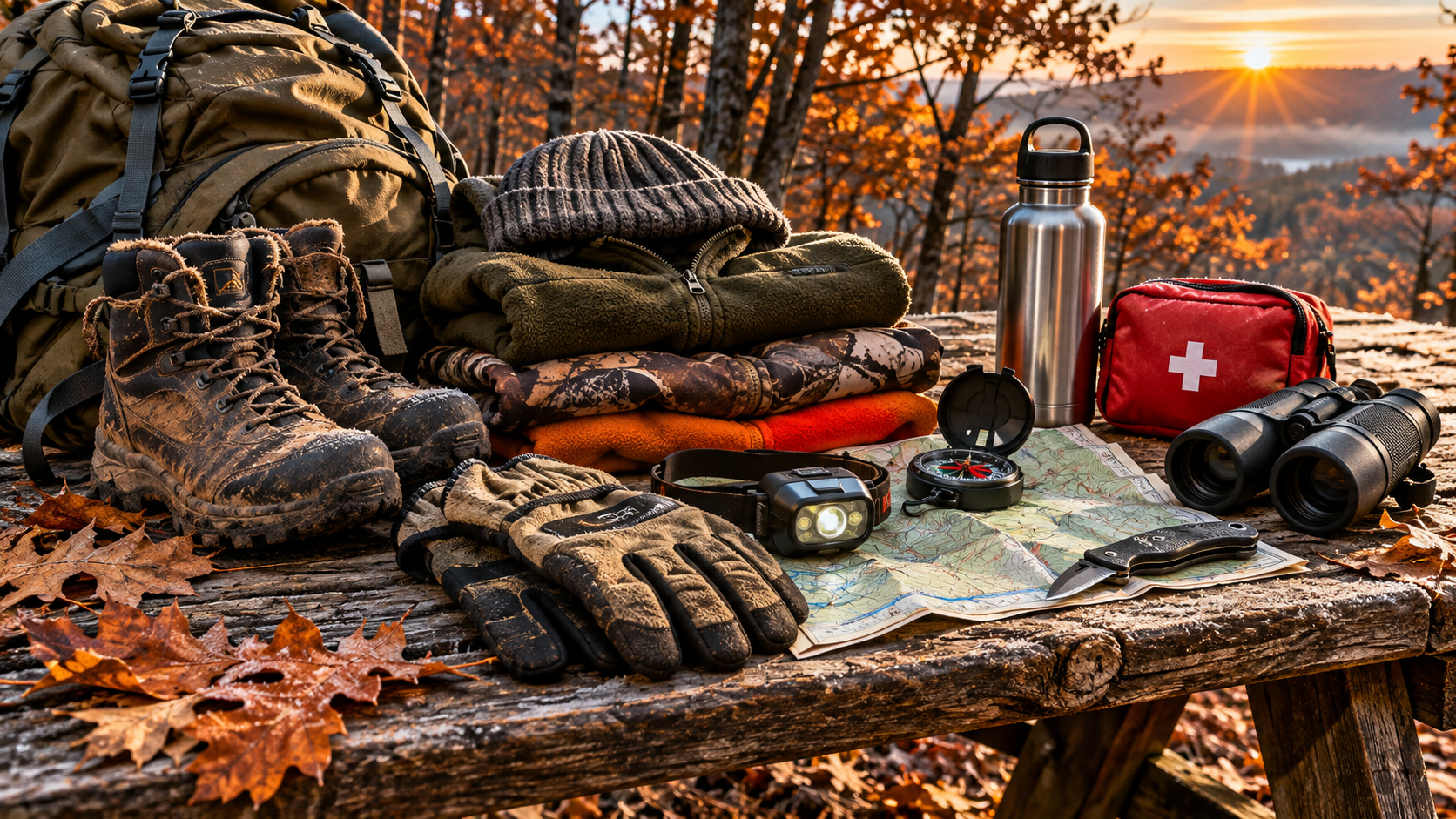
Cold mornings, shorter days, and unpredictable weather can turn an ordinary outdoor adventure into a serious test of preparation. Before you head out, make sure these ten essentials are ready to go.
There's something about the first truly cold morning of the season that catches even experienced outdoorsmen off guard.
Maybe it's the headlamp that worked perfectly last month but suddenly refuses to turn on.
Maybe it's the water bottle you left outside overnight, only to discover that the contents have frozen solid.
Or maybe it's that moment, three miles from the trailhead, when you realize the lightweight jacket you packed isn't nearly enough.
Cold weather has a way of exposing the little things we overlook.
And whether you're sitting in a deer stand before sunrise, casting along a frosty shoreline, hiking a remote trail, or spending one last weekend around the campfire, those little things can make the difference between an unforgettable adventure and a miserable one.
Sometimes, they can make the difference between a minor inconvenience and a genuine emergency.
The good news?
Preparing for cold-weather adventures doesn't require buying the most expensive equipment or carrying everything you own.
It starts with understanding what matters, knowing how to use your gear, and checking the essentials before you leave home.
So before the first freeze catches you unprepared, let's walk through 10 cold weather outdoor essentials every hunter, angler, hiker, and camper should consider.
1. Dress in Layers — Because One Heavy Jacket Isn't Enough
When temperatures begin dropping, it's tempting to reach for the thickest coat in the closet and call it good.
But experienced outdoorsmen know that staying comfortable in cold weather isn't simply about wearing more clothing.
It's about wearing the right clothing in the right order.
A proper cold-weather layering system helps regulate body temperature, manage moisture, and protect against wind and precipitation.
The three-layer system
Base layer: Moisture management
Your base layer sits against your skin.
Its primary job is to move perspiration away from your body so moisture doesn't accumulate and chill you.
Merino wool and synthetic performance fabrics are popular choices.
Cotton is generally a poor choice for cold, wet conditions because it absorbs moisture and dries slowly.
Mid-layer: Insulation
Your insulating layer helps retain body heat.
Fleece, wool, and insulated jackets are common options.
The amount of insulation you need depends on your activity level and the conditions.
A hunter sitting motionless for several hours may require considerably more insulation than a hiker climbing a steep trail.
Outer layer: Weather protection
Your outer layer protects against wind, rain, and snow.
A waterproof, breathable shell can help keep precipitation out while allowing some moisture vapor to escape.
In cold conditions, keeping insulation dry is especially important.
The mistake many people make
Overdressing before a strenuous hike can be almost as uncomfortable as underdressing.
When you begin sweating heavily, moisture can accumulate in your clothing.
Once you stop moving, that moisture can contribute to rapid cooling.
Start with appropriate layers, adjust before overheating, and keep a dry insulating layer available for rest stops.
Wild Route Gear Tip: Pack an extra pair of dry socks and a spare insulating layer in a waterproof bag. They may be among the most valuable items in your backpack.
2. Don't Forget Your Feet — Cold, Wet Boots Can Ruin Everything
Ask anyone who has spent a freezing morning in a deer stand or walked several miles through wet leaves.
Cold feet can make an otherwise enjoyable day feel endless.
But footwear isn't just about comfort.
Wet feet, poor circulation, and prolonged exposure to cold can increase the risk of cold-related injuries.
Choose footwear for your activity
A waterproof hunting boot may be ideal for walking through damp fields or sitting in wet timber.
A lightweight hiking boot may provide better mobility on a long trail.
Insulated boots may be appropriate for extended periods of inactivity in freezing temperatures.
There isn't one perfect boot for every adventure.
The goal is to match footwear to terrain, activity, and expected weather.
Socks matter more than you think
Merino wool and synthetic socks can help manage moisture.
Avoid tight footwear or excessive sock layering that restricts circulation.
And don't assume that thicker socks automatically mean warmer feet.
A properly fitted boot with room for circulation and appropriate insulation is often more effective than squeezing extra socks into a boot that's already tight.
Watch the ground beneath you
As temperatures drop, wet leaves, wooden bridges, exposed rocks, and shaded trails can become slippery.
Ice may form in places where the surrounding ground appears dry.
Check tread condition and consider appropriate traction devices when icy conditions are expected.
Don't overlook: An extra pair of dry socks, appropriate boot traction, and a waterproof bag for wet gear.
3. Reliable Lighting — Because Darkness Arrives Earlier Than You Think
Here's a familiar outdoor scenario.
You planned to be back before sunset.
But the fishing was good.
The deer movement finally picked up.
Or the trail took longer than expected.
Now the sun is disappearing behind the trees, and you still have ground to cover.
During late fall and winter, daylight hours are shorter, leaving less room for unexpected delays.
That's why dependable lighting belongs near the top of any cold-weather outdoor gear checklist.
Why a headlamp is so useful
A headlamp allows you to keep both hands free while walking, setting up camp, checking equipment, or handling other tasks.
Look for a model with appropriate brightness, adjustable settings, and dependable battery life.
A lower-power setting can help conserve energy.
Cold weather and batteries
Battery performance can decline in cold conditions, particularly under heavy electrical demand.
The exact effect depends on battery chemistry and temperature.
Carry spare batteries or a backup power source, and keep them protected from extreme cold.
Rechargeable devices should be charged before departure.
Always have a backup
A second light source is a simple precaution that can prevent a frustrating situation from becoming dangerous.
Don't rely entirely on your phone's flashlight.
You may need that phone for navigation or emergency communication.
Wild Route Gear Tip: Test every flashlight and headlamp before leaving home. A light that worked during your last trip isn't guaranteed to work today.
4. Navigation Essentials — Don't Let Technology Be Your Only Plan
Modern GPS devices and smartphone mapping apps have made outdoor navigation easier than ever.
But technology has limitations.
Batteries die.
Phones get wet.
Screens break.
And cellular coverage can disappear surprisingly quickly once you leave populated areas.
Even GPS-capable devices can struggle in certain environments.
Download maps before your trip
If you're using a smartphone navigation app, download the necessary maps for offline use before leaving.
Check that the map includes your intended route and surrounding terrain.
Remember that offline GPS positioning and offline map availability are separate things.
Your phone may be able to determine its location without cellular service, but that doesn't help much if the map data isn't stored on the device.
Carry a backup navigation method
A paper map and compass are valuable backups when you know how to use them.
Learn basic orientation, route planning, and how to identify major terrain features.
A compass is only useful if you understand how to interpret it.
Leave a trip plan
Before heading into remote country, tell a trusted person where you're going, your intended route, and when you expect to return.
Agree on when they should seek help if you don't check in.
This simple step can make a major difference if an emergency occurs.
Don't overlook: Offline maps, a compass, backup power, and a reliable trip plan.
5. Weather Protection — Prepare for More Than the Forecast
A sunny forecast doesn't guarantee a dry afternoon.
And a temperature reading doesn't tell the whole story.
Wind, precipitation, humidity, elevation, and changing conditions can dramatically affect how comfortable or hazardous an outdoor trip becomes.
Wind changes everything
Wind accelerates heat loss from exposed skin.
The wind chill index helps describe how cold the combination of air temperature and wind feels on exposed skin.
It doesn't mean your equipment or other inanimate objects will cool below the actual air temperature.
However, strong winds can still increase heat loss and make cold-weather exposure more dangerous.
Wet clothing is a serious problem
Rain, wet snow, stream crossings, and perspiration can all compromise insulation.
When clothing becomes wet, heat loss can increase significantly.
A lightweight waterproof shell, pack cover, or dry bag may be valuable even when precipitation isn't expected.
Carry emergency shelter
Depending on the trip, useful options may include an emergency bivy, a compact tarp, or an appropriate tent.
A reflective emergency blanket can be helpful as part of an emergency kit, but it isn't a complete substitute for insulation and protection from the ground.
The goal is to reduce exposure to wind and precipitation while preserving body heat.
Know when to turn around
Sometimes the smartest outdoor decision is deciding that conditions have become too dangerous.
Changing weather, deteriorating visibility, rising winds, or unexpected precipitation can justify shortening or canceling a trip.
No fishing spot, hunting opportunity, or summit is worth an avoidable emergency.
Wild Route Gear Tip: Check the forecast before departure and continue monitoring changing conditions when possible. Always prepare for weather that may be worse than predicted.
6. Hydration — Yes, You Can Become Dehydrated in Cold Weather
Most people associate dehydration with hot summer days.
But cold-weather dehydration is a real concern.
You still lose water through breathing, perspiration, and normal bodily processes.
Cold conditions can also reduce the sensation of thirst, making it easier to forget to drink.
Why hydration matters
Dehydration can contribute to fatigue, headaches, impaired concentration, and reduced physical performance.
Those effects are particularly unwelcome when you're navigating unfamiliar terrain or making important decisions outdoors.
Protect your water supply
Water bottles and hydration tubes can freeze in sufficiently cold conditions.
Insulated bottles, protective sleeves, and storing water inside your pack can help delay freezing.
For some trips, carrying a wide-mouth bottle may be more practical than relying entirely on a hydration reservoir.
Don't depend on untreated natural water
Streams and lakes may look clean, but natural water sources can contain microorganisms that cause illness.
Carry sufficient drinking water or an appropriate water-treatment method.
Be aware that some filters can be damaged if they freeze after becoming wet, potentially compromising their effectiveness.
Follow the manufacturer's instructions for your equipment.
Don't overlook: Drinking regularly, protecting your water from freezing, and having a dependable way to obtain safe water if needed.
7. First Aid and Emergency Preparedness — The Gear You Hope You Never Need
Nobody heads into the woods expecting an emergency.
But accidents and unexpected situations don't wait for convenient weather.
A twisted ankle, an unexpected overnight stay, or a navigation mistake can become more serious when temperatures are falling.
That's why outdoor emergency preparedness should be part of every cold-weather adventure.
Build a practical first-aid kit
A basic kit may include:
-
Adhesive bandages and sterile dressings.
-
Gauze and medical tape.
-
Blister treatment supplies.
-
Disposable medical gloves.
-
Appropriate personal medications.
-
A compact emergency instruction card.
-
Other supplies matched to your activity and training.
The contents should reflect the length, remoteness, and risks of your trip.
A small kit for a short walk near town may differ considerably from one carried on a remote overnight hunt.
Learn to recognize hypothermia
Hypothermia occurs when the body loses heat faster than it can produce it, causing core temperature to fall dangerously low.
It can happen even when the air temperature is above freezing, particularly if someone is wet, exposed to wind, or exhausted.
Warning signs may include shivering, confusion, slurred speech, unusual clumsiness, and drowsiness.
Severe hypothermia is a medical emergency.
Move the person to shelter, handle them gently, replace wet clothing with dry insulation when feasible, and seek emergency assistance. Follow current first-aid guidance and avoid aggressive direct heating.
Communication matters
A whistle, signaling mirror, or other signaling device may help attract attention.
For remote areas without cellular coverage, a properly registered personal locator beacon or suitable satellite communication device can provide an additional emergency option.
Understand the device's capabilities and limitations before relying on it.
Wild Route Gear Tip: Carry emergency equipment you know how to use. Training and preparation are just as important as the gear itself.
8. Fire-Starting and Emergency Warmth — Small Tools, Big Difference
Few things feel better than the warmth of a campfire on a cold autumn evening.
But in an emergency, the ability to generate warmth may be far more than a comfort.
Carry dependable fire-starting supplies
Depending on your location and activity, consider carrying:
-
A reliable lighter.
-
Waterproof matches or a suitable backup ignition source.
-
Dry tinder stored in a waterproof container.
-
A compact fire starter appropriate for your environment.
Practice using your supplies under controlled conditions before you need them.
Fire isn't always the answer
Fire may be prohibited, unsafe, or impractical because of wind, wet conditions, local restrictions, or lack of suitable fuel.
Never assume you'll be able to build one.
That's why dry insulation and emergency shelter should remain your primary cold-weather protection.
Hand warmers and heat packs
Commercial hand warmers can provide supplemental warmth.
Use them according to their instructions and avoid prolonged direct contact with skin, particularly while sleeping.
They are not a substitute for proper clothing or shelter.
Campfire safety
Before building a fire, check local restrictions and current fire-danger conditions.
Use established fire rings where permitted, keep fires manageable, and extinguish them completely.
Never use charcoal grills, fuel-burning stoves, or other combustion devices inside enclosed tents or vehicles. Carbon monoxide can accumulate without warning.
Don't overlook: A waterproof fire-starting kit, safe warmth options, and a plan that doesn't depend entirely on having a fire.
9. Food and Energy — Your Body Needs Fuel to Stay Warm
Cold-weather outdoor activities can require substantial energy.
Hiking through difficult terrain, carrying equipment, and maintaining body temperature all place demands on the body.
Even activities that seem relatively stationary can become tiring when you're exposed to cold conditions for long periods.
Pack food that's easy to eat
Good options may include trail mix, nuts, energy bars, dried fruit, sandwiches, and other portable foods that fit your nutritional needs.
Choose items that remain practical to handle and eat in cold weather.
Some foods become hard or difficult to unwrap when temperatures drop.
Keep extra food available
Unexpected delays can extend a short trip into a much longer outing.
An emergency food reserve provides flexibility if your plans change.
Warm meals can improve comfort
For camping trips, a hot meal or warm beverage can make cold conditions feel more manageable.
But don't confuse feeling warmer with being protected from hypothermia.
Food and hot drinks support comfort and energy needs; adequate insulation, shelter, and medical attention remain essential when someone is dangerously cold.
Wild Route Gear Tip: Keep an emergency snack in your pack that you don't routinely eat during the trip.
10. The Pre-Trip Gear Check — The Essential Most People Skip
You can own excellent outdoor equipment and still be unprepared.
Why?
Because equipment only helps when it's working properly.
And cold weather has a way of revealing problems that were easy to ignore during warmer months.
Inspect your gear before departure
Check the condition of your boots, outerwear, zippers, straps, buckles, and waterproof materials.
Make sure your backpack fits properly and that essential supplies are accessible.
Test your electronics
Charge your phone, GPS device, headlamp, and communication equipment.
Check batteries and power connections.
Confirm that offline maps are downloaded and usable.
Inspect specialized equipment
Hunters should inspect appropriate safety equipment, including tree-stand harnesses and climbing systems where applicable.
Anglers should check cold-weather clothing, traction, and equipment appropriate for fishing near cold water.
Campers should inspect shelters, sleeping systems, and cooking equipment.
Hikers should verify footwear, navigation supplies, and emergency gear.
Check your vehicle
Cold-weather preparation begins before you reach the trailhead.
Depending on conditions, useful vehicle supplies may include warm clothing, drinking water, a flashlight, a charged phone or power bank, and equipment appropriate for snow or ice.
Make sure your vehicle is suitable for the roads and conditions you expect.
Make a final weather and route decision
Before leaving, ask yourself:
Is the forecast still acceptable?
Do I have enough daylight?
Does someone know where I'm going?
Am I prepared for an unexpected delay?
If the answer to any of those questions is no, adjust your plans before heading out.
The best emergency is the one you prevent before leaving home.
Same Cold Weather, Different Adventures: What Changes?
Not every outdoor enthusiast faces the same challenges.
The gear that keeps a hunter comfortable during a long morning in a tree stand may not be ideal for someone hiking several miles uphill.
And an angler fishing beside near-freezing water faces hazards that may not exist on a dry woodland trail.
Here's how preparation should change with the activity.
For hunters: Prepare for long periods of inactivity
A hunter sitting motionless may generate relatively little body heat.
Insulation, wind protection, and keeping extremities warm become especially important.
Use a layering system that allows you to avoid overheating during the walk in and add insulation once you're stationary.
When hunting from an elevated stand, use appropriate fall-arrest equipment and follow safe climbing procedures.
For anglers: Cold water deserves special respect
Cold water can cause rapid loss of breathing control and physical function after an unexpected immersion.
Wear an appropriate, properly fitted personal flotation device when boating or when conditions warrant one.
Consider how you'll reach safety if you slip or fall into the water.
Waterproof clothing, traction, and a dry change of clothes can be especially valuable.
Avoid isolated or hazardous shorelines when conditions are poor.
For hikers: Balance warmth with movement
Hikers often generate substantial body heat while climbing or moving quickly.
The challenge is preventing excessive perspiration while maintaining enough protection during rest stops.
Adjust layers frequently and keep dry insulation available.
Shorter daylight hours make route planning and turnaround times particularly important.
For campers: Your sleeping system matters
Cold-weather camping requires more than a warm jacket.
Your sleeping bag or quilt and insulated sleeping pad should be appropriate for the expected overnight conditions.
Pay attention to sleeping-bag temperature ratings and sleeping-pad insulation.
A warm sleeping bag alone may not prevent heat loss to cold ground.
Always check shelter ventilation and use cooking equipment safely.
The takeaway
Cold-weather preparation isn't about packing everything. It's about packing the right things for the conditions and the adventure ahead.
The Cold-Weather Outdoor Checklist: 10 Essentials Before You Go
Save this checklist before your next cold-weather adventure.
-
Appropriate base, insulating, and weather-protective layers
-
Suitable footwear and extra dry socks
-
Headlamp or flashlight with backup power
-
Navigation tools, offline maps, and a trip plan
-
Rain and wind protection plus emergency shelter
-
Drinking water and a way to protect or replenish it
-
First-aid supplies and emergency communication options
-
Safe emergency warmth and fire-starting supplies where appropriate
-
Sufficient food and extra emergency snacks
-
Complete gear inspection, updated forecast, and final safety check
This checklist is a starting point, not a substitute for activity-specific equipment, training, or local safety guidance.
The First Freeze Doesn't Have to End Your Adventures
There's a special kind of beauty in the outdoors as autumn gives way to winter.
The woods grow quieter.
The trails become less crowded.
A thin layer of frost covers the grass before sunrise.
Cold air settles over lakes and rivers, and the last stubborn leaves cling to the branches.
For hunters, it's the anticipation of another morning in the deer woods.
For anglers, it's the challenge of finding fish as water temperatures fall.
For hikers, it's the reward of seeing familiar landscapes in a completely different season.
And for campers, it's the satisfaction of gathering around a warm fire after a day spent exploring.
These are the moments that make cold-weather adventures worth experiencing.
But they're even better when you're prepared.
A dry pair of socks.
A working headlamp.
An extra insulating layer.
A dependable map.
A few emergency supplies tucked away in your pack.
None of these things may seem particularly exciting when you're getting ready at home.
Yet they're often the items you'll appreciate most when conditions change.
Final Thoughts: Adventure Favors the Prepared
The first freeze doesn't have to send you indoors.
And colder weather doesn't have to mean the end of hunting, fishing, hiking, or camping season.
It simply means preparation matters a little more.
Take the time to inspect your equipment.
Understand the weather.
Pack for the conditions.
And make sure the people who depend on you know your plans.
Because the goal isn't just to get outside.
It's to enjoy the adventure, make lasting memories, and return home safely.
Before the first freeze arrives, take a few minutes to prepare. Your next great outdoor adventure may depend on it.
From all of us at Wild Route Gear — stay prepared, stay adventurous, and GO WILD! 🌲❄️🔥
Ready to gear up for your next adventure? Explore Wild Route Gear for outdoor equipment and essentials for the seasons ahead.