Cart
0
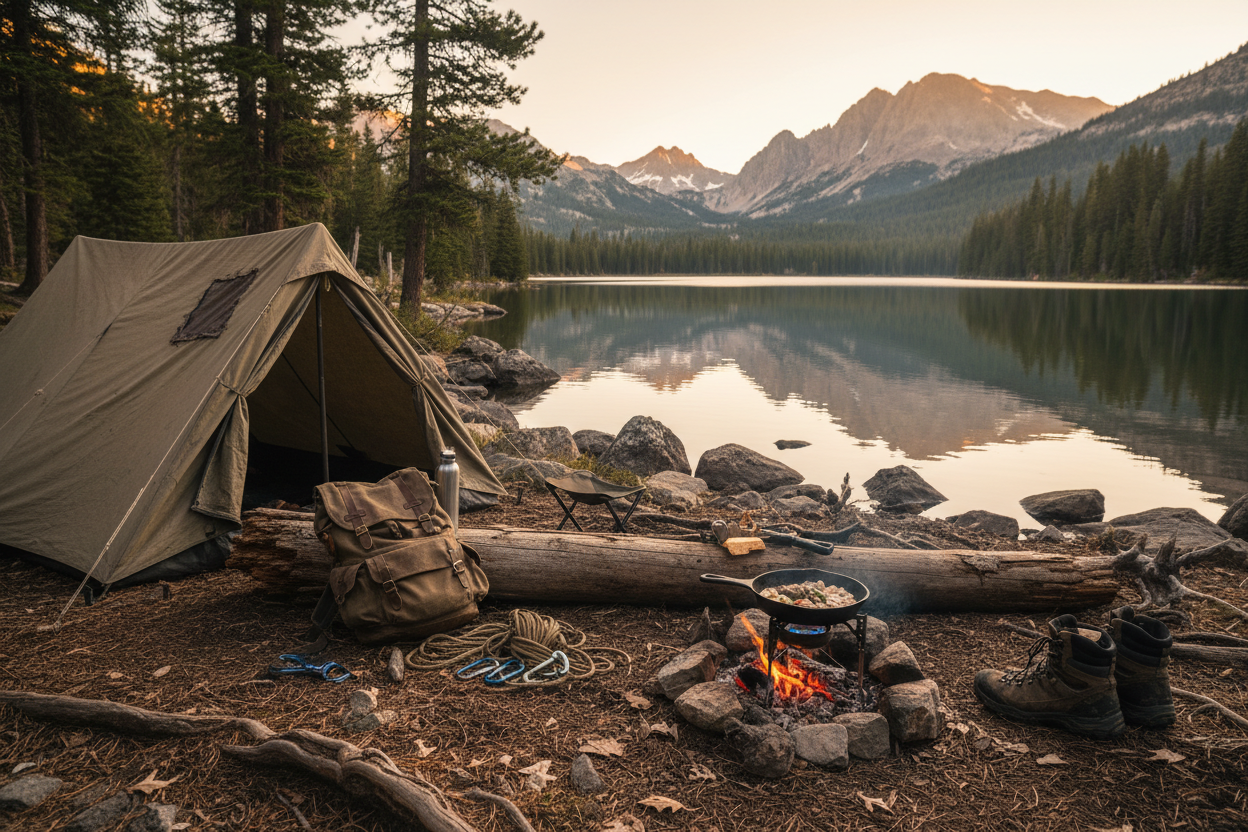
There’s nothing quite like escaping the everyday routine for a weekend outdoors. Whether you’re heading to a wooded campground, setting up beside a mountain lake, spending time around a campfire with family, or exploring a new trail, camping gives you the chance to slow down, unplug, and enjoy the outdoors.
But a great camping trip starts long before you arrive at the campsite.
Forgetting something small—like a flashlight, cooking fuel, extra socks, or the right sleeping gear—can quickly turn a relaxing weekend into an uncomfortable one. The good news is that packing for a weekend camping trip doesn’t have to be complicated.
A well-organized camping checklist can help you make sure you have the essentials without filling your vehicle with unnecessary gear.
In this ultimate weekend camping checklist, we’ll cover everything you need to consider, including shelter, sleeping gear, cooking supplies, food and water, clothing, lighting, safety equipment, personal items, and a few extras that can make your outdoor adventure even better.
Use this guide as a starting point and adjust your packing list based on your destination, weather, camping style, group size, and planned activities.
Quick Weekend Camping Checklist
Before getting into the details, here’s a quick overview of the most important camping essentials:
Shelter
- Tent
- Tent poles
- Tent stakes
- Rainfly
- Tent footprint or ground cover
- Extra cord or guyline
- Mallet or hammer for stakes
Sleeping Gear
- Sleeping bag
- Sleeping pad or camping mattress
- Camping pillow
- Extra blanket for colder conditions
- Sleeping bag liner, if needed
Camp Kitchen
- Camping stove
- Fuel
- Cookware
- Plates and bowls
- Cups or mugs
- Cooking utensils
- Eating utensils
- Knife
- Cutting board
- Cooler
- Food-storage containers
- Trash bags
- Dishwashing supplies
Food & Water
- Drinking water
- Meals
- Snacks
- Coffee or other beverages
- Ice or cold packs
- Water bottles or hydration containers
Clothing
- Comfortable outdoor clothing
- Extra socks
- Extra underwear
- Warm layers
- Rain jacket
- Hiking shoes or boots
- Camp shoes
- Hat
- Sunglasses
Lighting
- Headlamp
- Flashlight
- Extra batteries
- Lantern or campsite lighting
Safety & Emergency Gear
- First-aid kit
- Personal medications
- Emergency blanket
- Whistle
- Navigation tools
- Phone
- Portable power bank
- Multi-tool
- Emergency supplies
Hygiene
- Toothbrush
- Toothpaste
- Soap
- Hand sanitizer
- Toilet paper
- Quick-dry towel
- Sunscreen
- Insect repellent
- Personal toiletries
Campsite Comfort
- Camping chairs
- Camp table if needed
- Tarp or shade
- Hammock
- Camp blanket
- Outdoor games
- Books or entertainment
Now let's break everything down.
1. Shelter: Your First Camping Essential
Your shelter is one of the most important parts of your camping setup.
For a typical weekend camping trip, your tent should be appropriate for the number of people using it and suitable for the expected weather conditions. Don't forget that a tent isn't just the fabric shelter itself.
Before leaving home, make sure you have the complete setup.
Tent checklist:
- Tent body
- Rainfly
- Tent poles
- Stakes
- Tent footprint or groundsheet
- Guy lines
- Extra stakes
- Mallet or hammer
It's a good idea to set up a new tent at home before taking it on your first trip. This gives you a chance to make sure all the pieces are there and familiarize yourself with the setup process.
A tent that looks simple when you're standing in your backyard can seem considerably more complicated when you're trying to assemble it in the dark or during a rainstorm.
A proper rainfly and ground protection are especially important when weather conditions are unpredictable. A camping checklist should always account for the possibility of rain, even if the forecast looks favorable.
2. Sleeping Gear for a Comfortable Night Outdoors
A beautiful campsite won't seem quite as appealing if you spend the entire night cold, uncomfortable, or lying directly on the ground.
Your sleeping system should include more than just a sleeping bag.
Weekend camping sleeping checklist:
- Sleeping bag
- Sleeping pad or camping mattress
- Camping pillow
- Extra blanket
- Sleeping bag liner
- Extra warm clothing
Choose your sleeping bag based on the conditions you expect at your destination, particularly nighttime temperatures. A bag suitable for warm summer camping may not be appropriate for a chilly fall weekend.
Your sleeping pad is also important because it provides cushioning and helps separate you from the cold ground.
If you're building a camping setup from scratch, a quality sleeping bag and comfortable sleeping surface are two areas worth prioritizing.
For campers looking to upgrade their setup, Wild Route Gear offers outdoor sleeping and camping equipment designed to help make time outdoors more comfortable.
3. Camping Kitchen Essentials
One of the best parts of camping is eating outdoors.
A simple meal cooked at a campsite can somehow taste better than the same meal at home. But preparing food outdoors requires a little planning.
Your camping kitchen doesn't need to be elaborate, especially for a two- or three-night trip.
Basic camping cooking checklist:
- Camping stove
- Appropriate fuel
- Pot or cooking pan
- Frying pan
- Cooking utensils
- Eating utensils
- Plates or bowls
- Cups or mugs
- Cutting board
- Knife
- Can opener if needed
- Bottle opener if needed
- Cooler
- Ice or cold packs
- Food-storage containers
- Dish soap
- Sponge or scrubber
- Dish towel
- Trash bags
Before leaving, test your cooking equipment and make sure you have the correct fuel.
One of the easiest camping mistakes to make is remembering the stove but forgetting the fuel needed to operate it.
For campers who prefer cooking over a fire or charcoal, always check the rules at your campground before bringing or using fire-related equipment. Some locations have restrictions on fires, charcoal, or bringing in outside firewood.
4. Food: Plan Your Meals Before You Leave
A weekend camping trip typically means planning several meals, snacks, and drinks.
Instead of simply throwing food into a cooler, make a basic meal plan before you leave.
For example:
Friday evening
- Dinner
- Snacks
- Drinks
Saturday
- Breakfast
- Lunch
- Dinner
- Snacks
- Drinks
Sunday
- Breakfast
- Lunch or travel snacks
Planning ahead helps you determine how much food you actually need and reduces unnecessary packing.
Choose foods that are easy to prepare and store. Prepping ingredients at home can also save time and reduce the amount of cleanup required at the campsite.
Don't forget:
- Coffee or tea
- Condiments
- Cooking oil
- Salt and seasonings
- Snacks
- Ice
- Food-storage bags or containers
If you're camping somewhere with wildlife concerns, research local food-storage requirements before your trip. Food and scented items may need to be stored securely depending on the location.
5. Water: Don't Overlook This Camping Essential
Water is one of the most important things on your camping checklist.
Before your trip, find out whether your campground provides potable drinking water. Never assume that a water source is safe to drink simply because it is available.
If you're bringing your own water, plan for drinking, cooking, and basic cleanup.
Bring:
- Reusable water bottles
- Large water containers
- Extra drinking water
- Water-treatment supplies when appropriate
- Hydration equipment for hikes or other activities
If you're heading into a more remote area, your water strategy becomes even more important.
Always research your destination and understand where reliable water sources are located and what treatment methods are appropriate.
6. Clothing: Pack for the Weather, Not Just the Forecast
One of the biggest camping mistakes is packing clothing based solely on the daytime forecast.
Temperatures can change dramatically between afternoon and nighttime, particularly in mountainous or wooded areas.
A good weekend camping clothing checklist might include:
- Base layers
- T-shirts
- Long-sleeve shirts
- Warm insulating layer
- Jacket
- Rain jacket
- Hiking pants or outdoor pants
- Shorts
- Extra socks
- Extra underwear
- Sleepwear
- Hat
- Sunglasses
- Hiking shoes or boots
- Camp shoes
Always bring at least one extra set of socks and clothing appropriate for unexpected weather.
Wet clothing can quickly become uncomfortable and, in colder conditions, can become a genuine safety concern.
7. Lighting: Never Rely Only on Your Phone
Your phone may have a flashlight, but it shouldn't be your only source of light at camp.
Once the sun goes down, a reliable light becomes one of the most useful pieces of camping equipment you have.
Pack:
- Headlamp
- Flashlight
- Extra batteries
- Lantern
- Backup light
A headlamp is especially useful because it leaves both hands free while setting up your tent, preparing food, walking around camp, or dealing with equipment.
Keep your primary flashlight or headlamp somewhere easy to reach rather than buried at the bottom of your vehicle.
8. First Aid and Emergency Supplies
You may never need your first-aid kit, but you should still bring one.
A basic camping first-aid kit can help deal with minor cuts, blisters, scrapes, burns, insect bites, and other common outdoor mishaps.
Consider packing:
- First-aid kit
- Bandages
- Gauze
- Antiseptic supplies
- Blister treatment
- Medical tape
- Personal medications
- Emergency blanket
- Whistle
- Gloves
- Basic repair supplies
For more remote camping, you may want a more comprehensive emergency kit.
Your emergency equipment should reflect the environment, activities, number of people in your group, and distance from medical assistance.
9. Navigation and Communication
Even if you're staying at an established campground, navigation equipment can be useful if you're planning to hike or explore nearby trails.
Consider bringing:
- Phone with offline maps
- Physical map
- Compass
- GPS device if appropriate
- Portable power bank
- Charging cables
- Emergency contact information
Don't assume you'll have cell service everywhere.
Before leaving, download maps and important information that you may need while offline.
It's also smart to let someone who isn't on the trip know where you're going and when you expect to return, particularly if you're heading into a remote area.
10. Hygiene and Personal Care
You don't need to bring your entire bathroom cabinet camping, but a few basic hygiene supplies can make a major difference.
Camping hygiene checklist:
- Toothbrush
- Toothpaste
- Biodegradable soap where appropriate
- Hand sanitizer
- Toilet paper
- Quick-dry towel
- Personal toiletries
- Prescription medications
- Sunscreen
- Lip balm
- Insect repellent
- Feminine hygiene products if needed
- Wet wipes
Check the facilities at your campground before leaving.
Some campgrounds have flush toilets, showers, potable water, and other amenities. More primitive camping locations may have very few facilities.
11. Sun and Bug Protection
Sun exposure and insects can turn an otherwise enjoyable weekend into an uncomfortable one.
Pack:
- Sunscreen
- Sunglasses
- Hat
- Lip balm
- Insect repellent
- Long-sleeve clothing
- Bug protection appropriate for your destination
Apply sunscreen regularly, particularly when hiking, fishing, boating, or spending long periods around the water.
Likewise, research seasonal insects and pests in the area you're visiting so you can prepare appropriately.
12. Tools and Repair Gear
A few basic tools can solve surprisingly large problems around a campsite.
Consider adding:
- Multi-tool
- Duct tape
- Extra cord
- Paracord or utility rope
- Tent repair supplies
- Sleeping pad repair kit
- Extra tent stakes
- Small mallet
- Basic knife
- Zip ties
- Waterproof storage bags
You don't need to bring a giant toolbox.
The goal is to have a few versatile items available when something unexpected happens.
13. Campsite Comfort Items
Once you've covered the essentials, you can start thinking about comfort.
Depending on your camping style, you may want:
- Camping chairs
- Camp table
- Hammock
- Tarp or shade shelter
- Camp blanket
- Outdoor rug
- Pillow
- Portable power
- Binoculars
- Books
- Playing cards
- Outdoor games
- Camera
Remember that camping doesn't have to mean roughing it as much as possible.
The right comfort items can make a weekend outdoors more enjoyable without turning your campsite into a second living room.
14. Don't Forget Your Activity-Specific Gear
Your camping checklist should also reflect what you actually plan to do.
If your weekend includes hiking, you'll need appropriate footwear, hydration equipment, navigation tools, and day-hiking supplies.
Going fishing?
Add your fishing equipment, tackle, rods, bait, and other necessary supplies.
Planning a day on the water?
You may need swimming gear, water shoes, paddle equipment, flotation equipment, dry storage, or other water-sports essentials.
Camping near trails?
Make sure everyone has appropriate footwear and clothing for the terrain.
The best camping checklist isn't necessarily the longest one.
It's the one that matches your actual trip.
15. Camping With Kids
Camping with children can be an incredible experience and a great way to introduce them to the outdoors.
It just requires a little additional planning.
Consider packing:
- Extra clothing
- Extra socks
- Comfortable sleeping gear
- Favorite comfort items
- Kid-friendly snacks
- Games
- Books
- Headlamp or flashlight
- Sunscreen
- Bug protection
- Extra water
- Basic first aid supplies
Don't try to plan every minute of the trip.
Give kids opportunities to explore, look for wildlife, collect interesting leaves or rocks where permitted, play games, and experience the outdoors at their own pace.
Some of the best camping memories come from the simplest moments.
16. Camping With Dogs
Bringing your dog along?
Before you go, make sure your destination allows pets and check any leash or campground restrictions.
Your dog camping checklist might include:
- Food
- Water
- Food and water bowls
- Leash
- Collar and identification
- Waste bags
- Towel
- Bed or sleeping blanket
- Medications
- Basic first aid supplies
- Tick and insect protection
- Favorite toy
Keep your dog's food and waste managed appropriately and be respectful of other campers and wildlife.
17. What to Pack in Your Camping Emergency Kit
It's useful to have a dedicated emergency bag rather than scattering emergency supplies throughout your camping gear.
Depending on your destination and activities, consider including:
- First-aid supplies
- Emergency blanket
- Flashlight
- Extra batteries
- Whistle
- Multi-tool
- Fire-starting supplies where permitted
- Extra food
- Extra water
- Water-treatment supplies
- Phone power bank
- Emergency contact information
- Map and compass
- Basic repair supplies
For remote trips, research the specific risks of your destination and prepare accordingly.
18. Before You Leave Home: The Pre-Trip Camping Checklist
One of the best ways to prevent camping problems is to perform a final check before leaving.
Check your gear
Make sure:
- Tent is complete
- Tent poles are present
- Stakes are packed
- Sleeping bags are ready
- Sleeping pads are packed
- Stove works
- Fuel is packed
- Flashlights work
- Batteries are charged
- First-aid kit is stocked
- Phone and power bank are charged
Check the destination
Confirm:
- Campsite reservation
- Directions
- Weather forecast
- Campground rules
- Fire restrictions
- Water availability
- Bathroom/shower availability
- Pet rules
- Parking requirements
- Trail conditions
- Wildlife considerations
Check your food
Make sure:
- Meals are planned
- Snacks are packed
- Cooler is ready
- Ice is available
- Cooking supplies are packed
- Water is available
Taking 15 minutes to check everything before you leave can save you hours of frustration later.
19. What You Don't Necessarily Need for a Weekend Camping Trip
It's easy to overpack.
For a typical two- or three-night camping trip, you probably don't need every piece of outdoor equipment you own.
Think about whether an item serves one of these purposes:
- Safety
- Shelter
- Sleep
- Food
- Water
- Clothing
- Hygiene
- Transportation
- Planned activities
- Comfort
If it doesn't serve an important purpose, consider leaving it at home.
A lighter, more organized campsite is often easier to set up and take down.
20. The Ultimate Weekend Camping Checklist
Here's the complete checklist in one place.
Shelter
☐ Tent
☐ Rainfly
☐ Tent poles
☐ Tent stakes
☐ Tent footprint/groundsheet
☐ Guy lines
☐ Extra stakes
Sleeping
☐ Sleeping bag
☐ Sleeping pad
☐ Camping pillow
☐ Extra blanket
☐ Sleeping bag liner if needed
Cooking
☐ Camping stove
☐ Fuel
☐ Cookware
☐ Frying pan
☐ Cooking utensils
☐ Eating utensils
☐ Plates/bowls
☐ Cups/mugs
☐ Knife
☐ Cutting board
☐ Cooler
☐ Ice/cold packs
☐ Food-storage containers
☐ Dish soap
☐ Sponge/scrubber
☐ Dish towel
☐ Trash bags
Food & Water
☐ Breakfast foods
☐ Lunch foods
☐ Dinner foods
☐ Snacks
☐ Drinks
☐ Coffee/tea
☐ Drinking water
☐ Water bottles
☐ Extra water
Clothing
☐ Shirts
☐ Pants/shorts
☐ Warm layer
☐ Rain jacket
☐ Underwear
☐ Extra socks
☐ Sleepwear
☐ Hat
☐ Sunglasses
☐ Hiking shoes/boots
☐ Camp shoes
Lighting
☐ Headlamp
☐ Flashlight
☐ Extra batteries
☐ Lantern
Safety
☐ First-aid kit
☐ Personal medications
☐ Emergency blanket
☐ Whistle
☐ Multi-tool
☐ Emergency supplies
Navigation & Communication
☐ Phone
☐ Offline maps
☐ Physical map
☐ Compass
☐ Portable power bank
☐ Charging cables
Hygiene
☐ Toothbrush
☐ Toothpaste
☐ Soap
☐ Hand sanitizer
☐ Toilet paper
☐ Towel
☐ Toiletries
☐ Sunscreen
☐ Insect repellent
Campsite Comfort
☐ Camping chairs
☐ Camp table
☐ Tarp/shade
☐ Hammock
☐ Camp blanket
☐ Entertainment
Activity Gear
☐ Hiking gear
☐ Fishing gear
☐ Water-sports equipment
☐ Outdoor games
☐ Camera
Final Thoughts: Keep It Simple, Get Outside, and Go Wild
The perfect camping trip isn't about having the most equipment.
It's about having the right equipment for the adventure you're planning.
Start with the basics: reliable shelter, comfortable sleeping gear, food and water, appropriate clothing, lighting, and safety supplies. From there, add the equipment that makes sense for your destination and the activities you enjoy.
Most importantly, don't let the idea of having the “perfect” setup keep you from getting outside.
Your first camping trip doesn't need to be complicated. Your second trip will probably teach you what you actually need, and before long you'll have a personalized camping checklist that works perfectly for you.
Whether you're planning a weekend at a local campground, a family adventure near the lake, a hiking trip in the mountains, or a longer outdoor getaway, the right gear can help you spend less time worrying about what you forgot and more time enjoying where you are.
Ready to gear up for your next adventure?
Explore Wild Route Gear for camping, hiking, outdoor recreation, survival gear, water-sports equipment, and other essentials designed for people who would rather be outside.
Pack smart. Get outside. Go Wild!
#GoWild #WildRouteGear #TheWildRouteGear