Cart
0
The Ultimate Fall Fishing Guide: Tips, Tactics & Gear for Autumn Anglers
There’s something special about fishing in the fall.
The crowds begin to thin out, the air turns crisp, the scenery becomes incredible, and many fish species become increasingly active as they prepare for the changing conditions ahead. For anglers who enjoy spending time outdoors, autumn can be one of the most rewarding times of year to get on the water.
But fall fishing isn't simply summer fishing with a jacket on.
As temperatures drop and daylight changes, water conditions change too. Fish behavior can shift, weather can become unpredictable, and the gear you bring can make a major difference in how comfortable and successful your trip is.
Whether you're an experienced angler planning your next autumn adventure or a beginner preparing for your first fall fishing trip, understanding these seasonal changes can help you make the most of your time on the water.
In this ultimate fall fishing guide, we'll cover everything you need to know, including fall fishing tips, seasonal tactics, weather considerations, clothing, safety, boat and bank fishing, and the essential gear to pack for your next autumn adventure.
Why Go Fishing in the Fall?
Summer isn't the only season worth spending time on the water.
Fall brings its own unique advantages for anglers.
Cooler temperatures
Fishing during the heat of summer can be uncomfortable, particularly during the middle of the day. Fall often brings cooler temperatures that make spending several hours outdoors much more enjoyable.
Fewer crowds
Depending on where you fish, autumn can mean fewer recreational boaters, swimmers, and other visitors competing for space.
Less activity on the water can make for a quieter and more peaceful fishing experience.
Changing fish behavior
As water temperatures begin to change, fish behavior changes with them. Fish may adjust where they spend time, how actively they feed, and how they respond to available food.
Understanding these seasonal patterns is one of the keys to becoming a better fall angler.
Incredible scenery
Let's not forget the obvious.
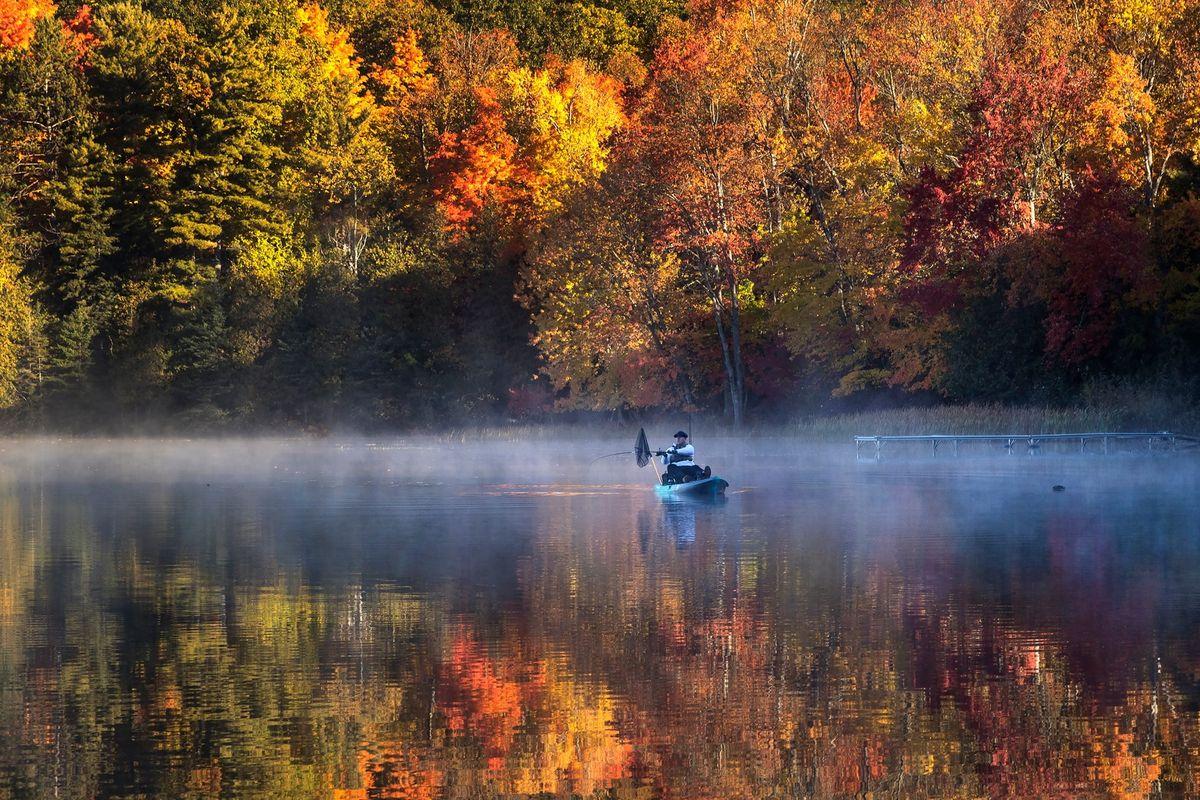
Fall fishing can put you right in the middle of some of the best scenery of the year. Colorful forests, cool mornings, fog over the water, and crisp autumn air can turn an ordinary fishing trip into a memorable outdoor adventure.
Understanding Fall Fishing Conditions
One of the biggest mistakes anglers can make is treating every fall fishing trip the same.
Early fall and late fall can feel like completely different seasons.
Water temperature, weather, daylight, vegetation, and fish activity can all change throughout the season.
Early Fall Fishing
Early fall may still feel a lot like summer in some areas.
Water temperatures can remain relatively warm, while shorter days and cooling nights begin to signal seasonal change.
During this period, fish may still be found in areas that produced during late summer, while also beginning to transition toward new feeding and holding locations.
Pay attention to:
-
Water temperature
-
Recent weather
-
Baitfish activity
-
Vegetation
-
Structure
-
Depth
-
Wind direction
Don't assume that because the calendar says fall, every fish has immediately changed its behavior.
Mid-Fall Fishing
As temperatures continue to fall, seasonal patterns often become more noticeable.
This is a great time to pay close attention to where baitfish and other forage are concentrated.
Look for areas where food is available and consider how changing conditions may affect fish positioning.
Late Fall Fishing
Late fall can bring much colder mornings and significant changes in water temperature.
Fish may become increasingly concentrated in specific areas, making location and presentation especially important.
This is also when anglers need to take weather and personal comfort more seriously.
A sunny afternoon can still begin with very cold temperatures, and conditions on the water can change quickly.
The Best Time of Day to Fish in the Fall
There isn't one universal “best” time to fish.
The ideal time can depend on species, location, weather, water temperature, and seasonal conditions.
However, several periods are worth considering.
Early Morning
Fall mornings can be chilly, but they can also offer excellent fishing opportunities.
Low light and calm conditions may create a productive start to the day.
The key is being prepared for the temperature.
Layer your clothing, bring appropriate outerwear, and keep a warm backup layer available.
Midday
Don't automatically give up once the sun is high.
As the day warms, water temperatures can change slightly and fish activity can shift.
Midday can also be more comfortable for anglers during colder portions of the fall.
Afternoon
The afternoon can be particularly appealing during cooler fall weather.
If the day begins cold, several hours of sunlight can make conditions more comfortable for both anglers and fish.
Rather than following a rigid schedule, pay attention to what's happening on the water.
How Weather Affects Fall Fishing
Weather becomes especially important during autumn.
A major temperature change, cold front, rainfall, wind shift, or period of unusually warm weather can affect water conditions and fish behavior.
Before every trip, check:
-
Air temperature
-
Wind
-
Rain
-
Storms
-
Water conditions
-
Temperature changes
-
Daylight hours
Most importantly, don't treat the weather forecast as a guarantee.
Conditions can change quickly, particularly on larger lakes and bodies of water.
If you're boating, always prioritize safe conditions over catching fish.
Fall Fishing and Water Temperature
Water temperature is one of the most useful pieces of information an angler can have.
Fish are affected by the temperature of their environment, and seasonal changes can influence their metabolism, activity, feeding behavior, and location.
You don't need to become a marine biologist to use water temperature effectively.
Simply pay attention to trends.
Ask yourself:
-
Is the water warming or cooling?
-
Has the weather changed significantly?
-
Are temperatures stable?
-
Is this area shallower or deeper?
-
Where is the available food?
Rather than focusing on one exact temperature number, look at how conditions are changing.
Where to Look for Fish in the Fall
Finding fish is often about finding the conditions that attract them.
Look for areas with:
Structure
Rock, submerged trees, drop-offs, ledges, and other underwater structure can provide important habitat.
Food
Where baitfish and other forage are concentrated, predators may not be far away.
Depth changes
Areas where shallow water transitions into deeper water can be worth exploring.
Vegetation
Aquatic vegetation can provide cover and attract prey species.
Current
Where applicable, moving water can concentrate food and create productive fishing areas.
Don't spend your entire trip in one location simply because it worked last time.
Fall is a season of transition, so be willing to move and experiment.
Fall Bass Fishing Tips
Bass are one of the most popular targets for freshwater anglers, and fall can provide excellent opportunities to pursue them.
Rather than relying on one tactic, pay attention to changing conditions.
Look for baitfish
If you can locate concentrations of baitfish, you're already gathering valuable information.
Predatory fish often pay attention to the same food sources.
Watch the weather
A major weather change can alter fish activity.
Keep track of what happened in the previous day or two rather than looking only at today's forecast.
Don't ignore shallow water
It's easy to assume that fish automatically move deep as temperatures fall.
That isn't always the case.
Depending on conditions and available food, fish may still use shallow areas.
Explore transitions
Areas where different types of habitat meet can be worth investigating.
Look for:
-
Shallow-to-deep transitions
-
Vegetation edges
-
Rocky areas
-
Points
-
Creek channels
-
Drop-offs
Use your local knowledge and observations to determine what is producing.
Bank Fishing in the Fall
You don't need a boat to enjoy fall fishing.
Bank fishing can be a fantastic way to spend an autumn day outdoors.
When fishing from shore, focus on locations that give you access to productive structure and depth changes.
Look for:
-
Points
-
Rocky banks
-
Creek mouths
-
Docks where permitted
-
Vegetation edges
-
Drop-offs
-
Areas where baitfish are active
One advantage of bank fishing is simplicity.
You can carry a relatively small amount of equipment and explore different areas without needing to transport a boat.
Fall Fishing From a Boat
For anglers who prefer getting farther onto the water, fall can be an excellent time for a fishing boat adventure.
Boats and inflatable fishing rafts can provide access to areas that may be difficult or impossible to reach from shore.
However, colder weather also means preparation becomes more important.
Before heading out, check:
-
Weather conditions
-
Boat condition
-
Fuel or power
-
Safety equipment
-
Navigation equipment
-
Communication devices
-
Personal flotation equipment where required
-
Clothing
-
Food and water
-
Emergency supplies
If you're using an inflatable fishing boat or raft, inspect it carefully before launch and make sure all necessary equipment is functioning properly.
A successful fishing trip starts with getting to the water safely.
What to Wear Fishing in the Fall
One of the most important parts of fall fishing is staying comfortable.
The right clothing can make the difference between enjoying a full day outdoors and heading home early.
Dress in layers
Layering gives you flexibility as temperatures change.
A basic system might include:
Base layer
A comfortable moisture-managing layer can help keep you comfortable during activity.
Mid layer
A fleece, sweater, or insulated layer can provide additional warmth.
Outer layer
A weather-resistant jacket can help protect against wind and rain.
Don't forget your extremities.
Consider packing:
-
Warm socks
-
Gloves
-
Hat or beanie
-
Waterproof footwear
-
Extra clothing
And always bring a backup layer.
It's much easier to remove an extra layer than to become cold and discover you didn't bring enough clothing.
The Ultimate Fall Fishing Gear Checklist
The exact gear you'll need depends on your fishing style and destination, but this checklist provides a useful starting point.
Fishing Equipment
☐ Fishing rod
☐ Reel
☐ Fishing line
☐ Tackle
☐ Lures or bait
☐ Hooks
☐ Pliers
☐ Line cutters
☐ Fishing net
☐ Tackle box or storage bag
Clothing
☐ Base layer
☐ Warm mid layer
☐ Waterproof or weather-resistant jacket
☐ Long pants
☐ Extra socks
☐ Gloves
☐ Hat
☐ Waterproof footwear
☐ Extra clothes
Food & Hydration
☐ Drinking water
☐ Water bottles
☐ Hydration pack if appropriate
☐ Snacks
☐ Lunch
☐ Cooler
☐ Hot beverage
Safety
☐ First-aid kit
☐ Personal medications
☐ Flashlight
☐ Headlamp
☐ Extra batteries
☐ Whistle
☐ Emergency blanket
☐ Communication device
☐ Navigation equipment
☐ Personal flotation equipment when boating
Boat & Water Gear
☐ Boat or fishing raft
☐ Oars or propulsion equipment
☐ Pump for inflatable craft
☐ Repair kit
☐ Dry bags
☐ Waterproof storage
☐ Required safety equipment
☐ Anchor or appropriate anchoring equipment
Always check your local boating and fishing regulations before heading out.
Don't Forget Hydration
Cool temperatures can make it easy to forget about hydration.
You may not feel as thirsty as you would during a hot summer fishing trip, but you're still spending hours outdoors.
Bring enough water for the length of your trip and consider using a convenient hydration system if you're moving around frequently.
A reusable water bottle, hydration pack, or larger water container can help make staying hydrated easier.
Pack a First-Aid Kit
You may not need it, but you should have it.
Fishing involves hooks, knives, sharp equipment, uneven terrain, slippery surfaces, and other potential hazards.
A basic outdoor first-aid kit should be part of your fishing gear.
Consider carrying supplies for:
-
Small cuts
-
Scrapes
-
Blisters
-
Minor burns
-
Splinters
-
Basic wound care
For remote fishing trips, consider bringing more comprehensive emergency supplies appropriate for your location and activities.
Fall Fishing Safety
Cold weather changes the safety equation.
Water temperatures can become dangerously cold even when the air doesn't feel extremely cold.
If you're fishing from a boat, kayak, raft, or other watercraft, take cold-water conditions seriously.
Before heading out:
Check the weather.
Tell someone where you're going.
Bring communication equipment.
Wear appropriate safety equipment.
Dress for the water temperature, not just the air temperature.
Keep emergency supplies accessible.
And never take unnecessary risks simply to stay on the water longer.
A great fishing trip is one you return home from safely.
Fall Fishing With Kids
Fall can be a fantastic time to introduce children to fishing.
The cooler weather can make long outdoor sessions more comfortable, and the changing scenery gives kids plenty to see and explore.
When fishing with children, pack:
-
Warm clothing
-
Extra clothes
-
Extra socks
-
Water
-
Snacks
-
Sunscreen
-
First-aid supplies
-
Appropriate fishing equipment
-
Life jackets or other required safety equipment when boating
Keep expectations realistic.
Kids don't necessarily need to catch a trophy fish to have an amazing day.
Sometimes the best part is simply being outdoors together.
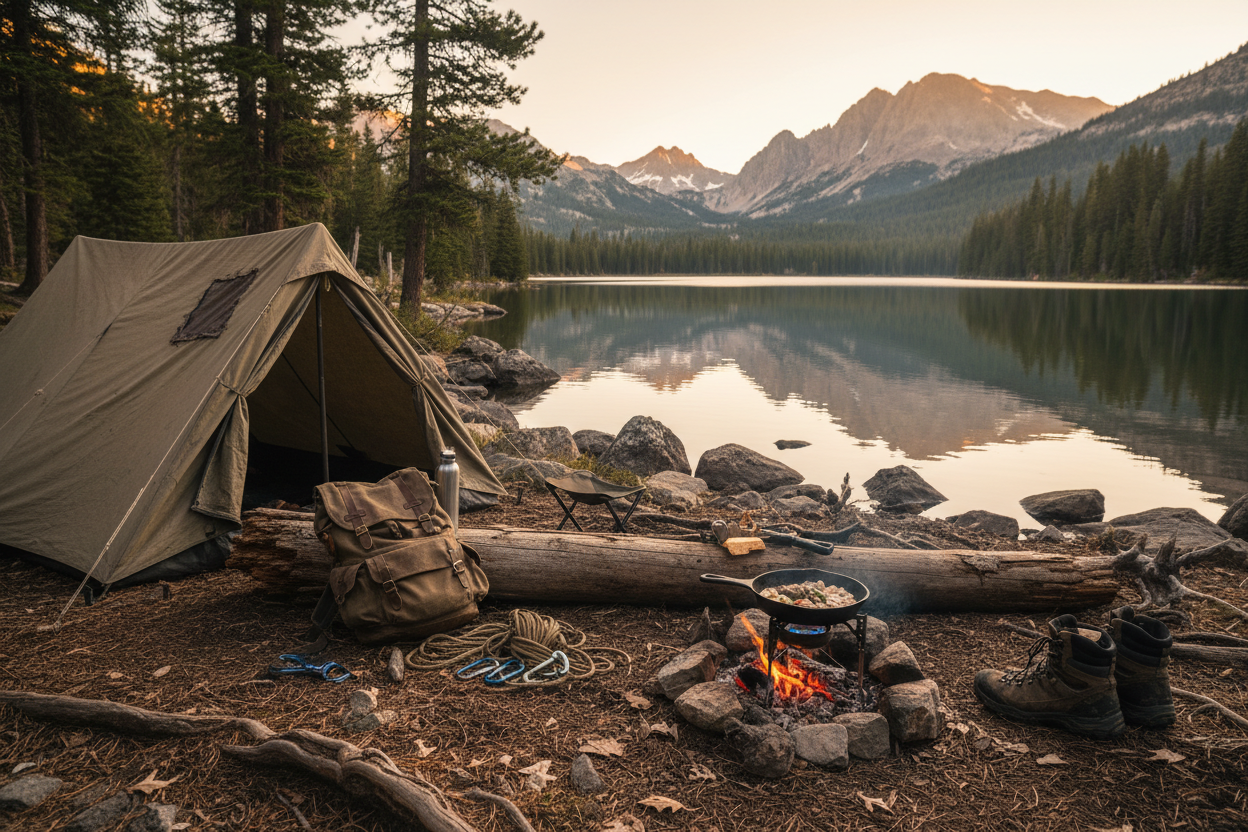
Fall Fishing and Camping
Want to turn your fishing trip into a full outdoor adventure?
Combine fishing with camping.
A fall fishing and camping weekend gives you the opportunity to spend more time outdoors without having to rush home at the end of the day.
A combined trip might include:
🎣 Fishing during the day
🏕️ Camping at night
🔥 Cooking dinner outdoors
🥾 Exploring nearby trails
🌅 Watching the sunrise
☕ Enjoying a warm drink beside camp
If you're planning a multi-day trip, build your packing list around both activities.
You'll need shelter, sleeping equipment, cooking supplies, food, water, fishing gear, clothing, lighting, and emergency equipment.
How to Make Your Fall Fishing Trips Better
You don't need to completely overhaul your fishing strategy every autumn.
Sometimes small improvements can make a big difference.
Keep a fishing journal
Record:
-
Date
-
Location
-
Weather
-
Water conditions
-
Approximate temperature
-
Time of day
-
What worked
-
What didn't
Over time, you may begin to notice patterns.
Move when necessary
Don't stay in an unproductive location all day just because you don't want to relocate.
Fall fish can move as conditions change.
Pay attention to nature
Watch for:
-
Birds feeding
-
Baitfish activity
-
Surface activity
-
Changing water conditions
-
Insects
-
Wind
-
Vegetation
The environment around you can provide valuable clues.
Keep your gear organized
A well-organized tackle box and fishing bag can save time and frustration.
Keep frequently used tools easy to reach.
Bring backup clothing
This simple habit can make a huge difference when conditions turn colder or wetter than expected.
Common Fall Fishing Mistakes
Even experienced anglers can make mistakes when conditions change.
Mistake #1: Assuming summer patterns still apply
Fall is a transitional season.
Be willing to adjust.
Mistake #2: Ignoring water temperature
Water temperature can provide important clues about changing conditions.
Mistake #3: Dressing only for the afternoon
Mornings and evenings can be dramatically colder.
Mistake #4: Forgetting hydration
Cool weather doesn't eliminate the need to drink water.
Mistake #5: Not checking the weather
A calm morning can turn into a windy or rainy afternoon.
Mistake #6: Overpacking
Bring what you actually need for your trip rather than every piece of gear you own.
Mistake #7: Underpacking safety equipment
Emergency and safety gear should always have a place in your setup.
How to Plan the Perfect Fall Fishing Trip
Ready to put everything together?
Here's a simple process.
Step 1: Choose your destination
Decide whether you'll fish:
-
From shore
-
From a boat
-
From an inflatable fishing raft
-
From a dock where permitted
Research the area and make sure you understand the regulations.
Step 2: Check conditions
Look at:
-
Weather
-
Wind
-
Water conditions
-
Recent temperature changes
-
Daylight
Step 3: Plan your clothing
Dress in layers and bring backup clothing.
Step 4: Prepare your fishing gear
Check your rods, reels, line, tackle, bait, and other equipment.
Step 5: Pack safety supplies
Bring appropriate first aid, lighting, communication, navigation, and water-safety equipment.
Step 6: Pack food and water
Bring enough for the length of your trip, plus reasonable extra supplies for unexpected delays.
Step 7: Tell someone your plans
Especially when heading somewhere remote, let someone know where you're going and when you expect to return.
Step 8: Get outside and enjoy it
Once you're prepared, stop worrying about the checklist and enjoy the experience.
That's what it's all about.
Build Your Fall Fishing Setup With Wild Route Gear
The best fishing adventure starts with the right preparation.
Whether you're planning a quick afternoon on the bank, spending a full day on the lake, or combining fishing with a weekend camping adventure, having dependable outdoor gear can help you spend more time enjoying the experience.
Wild Route Gear brings together equipment for anglers, campers, hikers, athletes, and outdoor enthusiasts who aren't afraid to get outside and explore.
From fishing and water equipment to outdoor apparel, hydration gear, camping essentials, survival equipment, and other adventure-ready gear, our goal is simple:
Help you get outside and Go Wild.
Explore Wild Route Gear and start preparing for your next outdoor adventure.
Final Thoughts
Fall fishing is about more than simply catching fish.
It's about adapting to changing conditions, exploring new places, enjoying cooler weather, and taking advantage of one of the most beautiful seasons of the year.
Pay attention to water temperature and weather. Be willing to adjust your approach. Dress appropriately. Bring enough food and water. Keep your safety equipment accessible. And don't forget to enjoy the scenery along the way.
Whether you're an experienced angler chasing your next big catch or a beginner simply looking for a reason to spend a fall day outside, autumn offers plenty of opportunities to make memories on the water.
So grab your fishing gear, pack an extra layer, check the weather, and start planning your next adventure.
The fish are waiting. The leaves are changing. It's time to Go Wild. 🎣🍂
#GoWild #WildRouteGear #TheWildRouteGear #FallFishing #Fishing #FishingTips #FishingGear #AutumnFishing #BassFishing #OutdoorAdventure #AnglerLife #GetOutside